
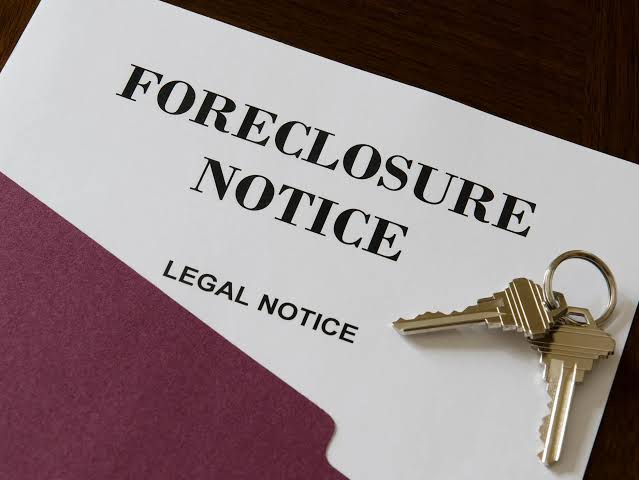
The 2026 Homeowner Reality Check: Navigating Housing Stress Before It’s Too Late
Understanding foreclosure timelines and exit strategies when housing costs outpace your budget
For millions of families, the financial strain of homeownership has reached an absolute tipping point. Rising foreclosure filings in early 2026—driven by persistent inflation, surging local property taxes, and skyrocketing insurance premiums—are placing even responsible homeowners in vulnerable positions.
When housing costs outpace your budget, it is easy to feel isolated and overwhelmed. However, doing nothing is the single biggest mistake you can make. Understanding how the foreclosure timeline works and evaluating your exit strategies early is key to protecting your financial future, your credit, and your peace of mind.
Navigating Housing Stress: Your Options When the Mortgage Becomes Unmanageable
The economic landscape of 2026 has brought unexpected financial pressure to many households. Between persistent inflation on daily essentials and sharp increases in property taxes and homeowners insurance, maintaining a monthly mortgage payment has become a growing strain.
When you fall behind on payments, it’s easy to feel overwhelmed. However, you may find inaction to be a far more costly mistake than anything else. It’s better to understand the foreclosure timeline, where you stand, and what your exit strategies are in order to protect your financial future.
The Mechanics of the Foreclosure Timeline
Foreclosure is a formal legal proceeding triggered when a borrower defaults on their regular mortgage obligation. It allows the mortgage lender to repossess and liquidate the property at a public auction to recover the unpaid loan balance.
Crucially, foreclosure does not happen overnight:
The Delinquency Phase: Your lender will issue notices when payments are missed, but federal regulations generally establish a 120-day buffer zone. Lenders typically cannot file a formal legal foreclosure notice until you are at least 120 days delinquent.
The Cost of Waiting: Once the clock runs out and the property goes to auction or into bank inventory, the damage is done. A completed foreclosure inflicts maximum damage on your credit profile, often staying on your record for up to seven years and hindering your ability to rent or purchase a home down the road.
That 120-day federal buffer is your strategic window to act.
Weighing Your Exit Strategies
If keeping up with your monthly payments is no longer realistic, you have a few primary avenues to consider:
Option A: Retention Plans (Loan Modifications & Forbearance)
Struggling homeowners can immediately contact their mortgage servicer to explore loss mitigation programs, such as:
- Forbearance: A temporary pause or reduction in monthly mortgage payments.
- Loan Modification: Restructuring loan terms to permanently lower the monthly payment.
The Reality Check: These solutions are designed for temporary financial hurdles (like a short medical leave). If inflation and ongoing overhead costs have permanently shifted your household economics, a modification may only delay an inevitable default.
Option B: Full Foreclosure
Allowing the foreclosure process to run its course avoids the immediate friction of negotiating, but it leaves you entirely exposed. You lose control over the sale, forfeit any potential remaining equity, and absorb the most catastrophic impact possible on your credit score.
Option C: A Negotiated Exit via Short Sale
If retaining the home isn’t financially viable and the property is worth less than the remaining mortgage balance, opting for a short sale allows you to sell the home for less than what you owe, with the lender absorbing the difference.
While a short sale requires lender approval and careful execution, it increasingly stands out as the most pragmatic path forward for severe, long-term housing stress:
- Proactive Control: Unlike a forced auction, you list the home directly, controlling the transaction and maintaining your dignity throughout the sale process.
- Credit Protection: A short sale is reported far more favorably than a full foreclosure, enabling you to begin rebuilding your credit score and re-enter the housing market years sooner.
- Clean Debt Resolution: In most short sale agreements, the lender waives the right to pursue a deficiency judgment, providing a definitive, negotiated exit from an unsustainable financial obligation.
For homeowners facing a permanent shift in living expenses, attempting to force a loan modification often leads right back to square one. A well negotiated short sale, by contrast, offers an immediate fresh start while salvaging your long-term financial health.
What to Do Next
If you are falling behind or anticipating default, use the legal timeline to your advantage and take concrete steps right away:
- Reach Out to Your Servicer Immediately: Request a formal review of loss mitigation options, including both retention plans and liquidated exits like short sales.
- Access Free Professional Guidance: Free, impartial counseling is available through HUD-approved housing counselors and the HOPE NOW Alliance.
- Know Your Legal Rights: Consult resources provided by the Consumer Financial Protection Bureau (CFPB) to review federal foreclosure protections and legal rights before making a final decision.

We’d love to hear from you —
Leave a Reply
Your feedback helps us improve and continue delivering the best real estate experience. Share your thoughts with us!
We appreciate you! ♡